Sports Massage in Parklands, Nairobi: Recover Faster & Keep Playing
If you train at Parklands Sports Club, you know the feeling. Saturday’s match was great. Sunday morning, your legs feel like they belong to someone else. Your calves are tight, your hamstrings complain on the stairs, and by Tuesday you’re wondering whether you should skip practice altogether.
Muscle soreness is a normal part of being active. But leaving it to “sort itself out” isn’t always the best plan, especially if you train several times a week, play competitive sport, or spend your working day sitting at a desk before heading to the gym. This is where sports massage comes in.
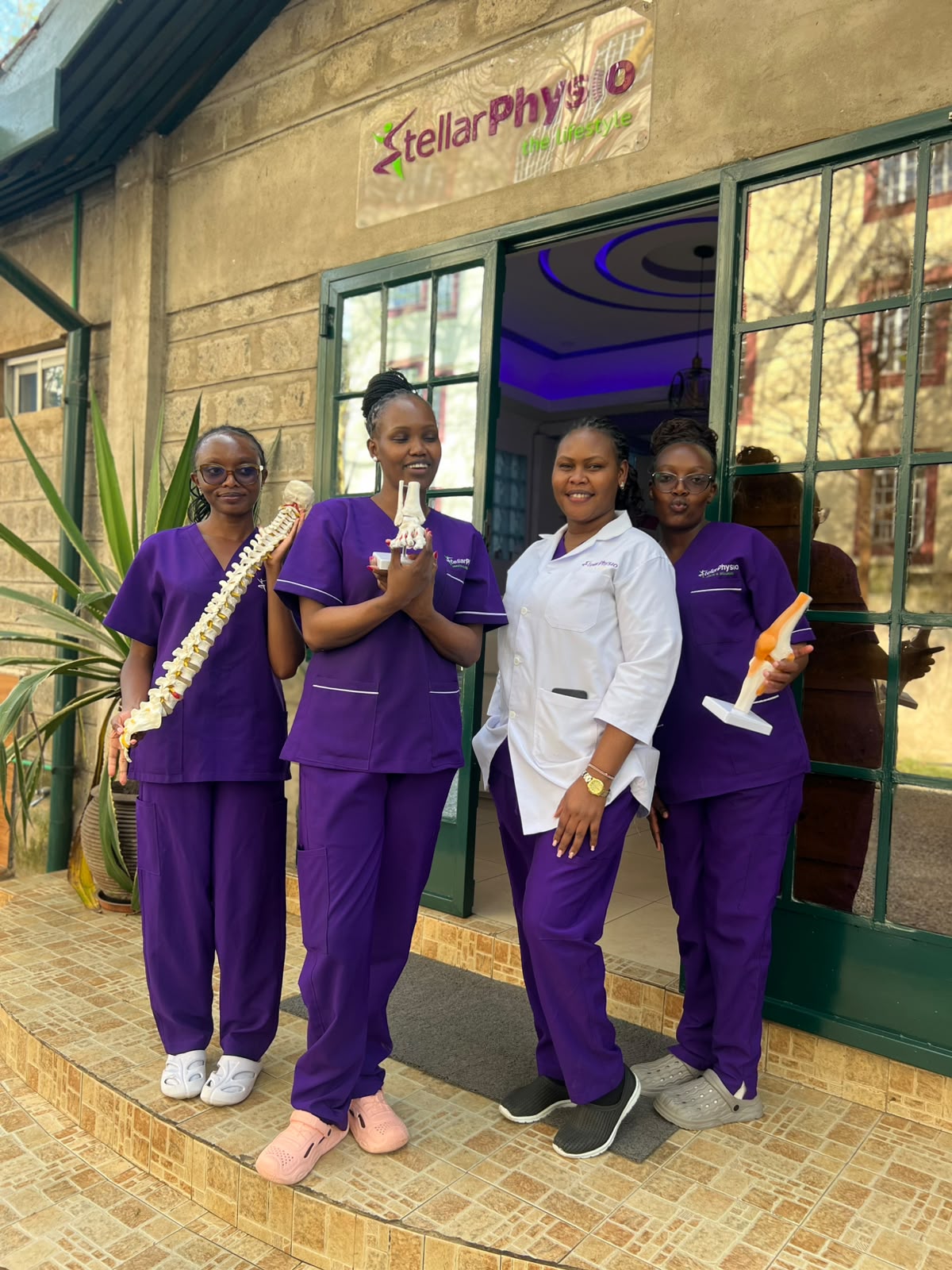
At Stellar Physio Parklands, located right inside Parklands Sports Club, we see footballers, rugby players, tennis and squash players, golfers, runners and gym regulars every week. Here’s what sports massage involves, who it helps, and how to get the most out of it.
What is sports massage? Sports massage is a hands-on therapy that focuses on the muscles, tendons and soft tissue you use most when you exercise. It isn’t the same as a relaxing spa massage. It’s more targeted, and it’s shaped around your sport, your training load and how your body feels on the day.
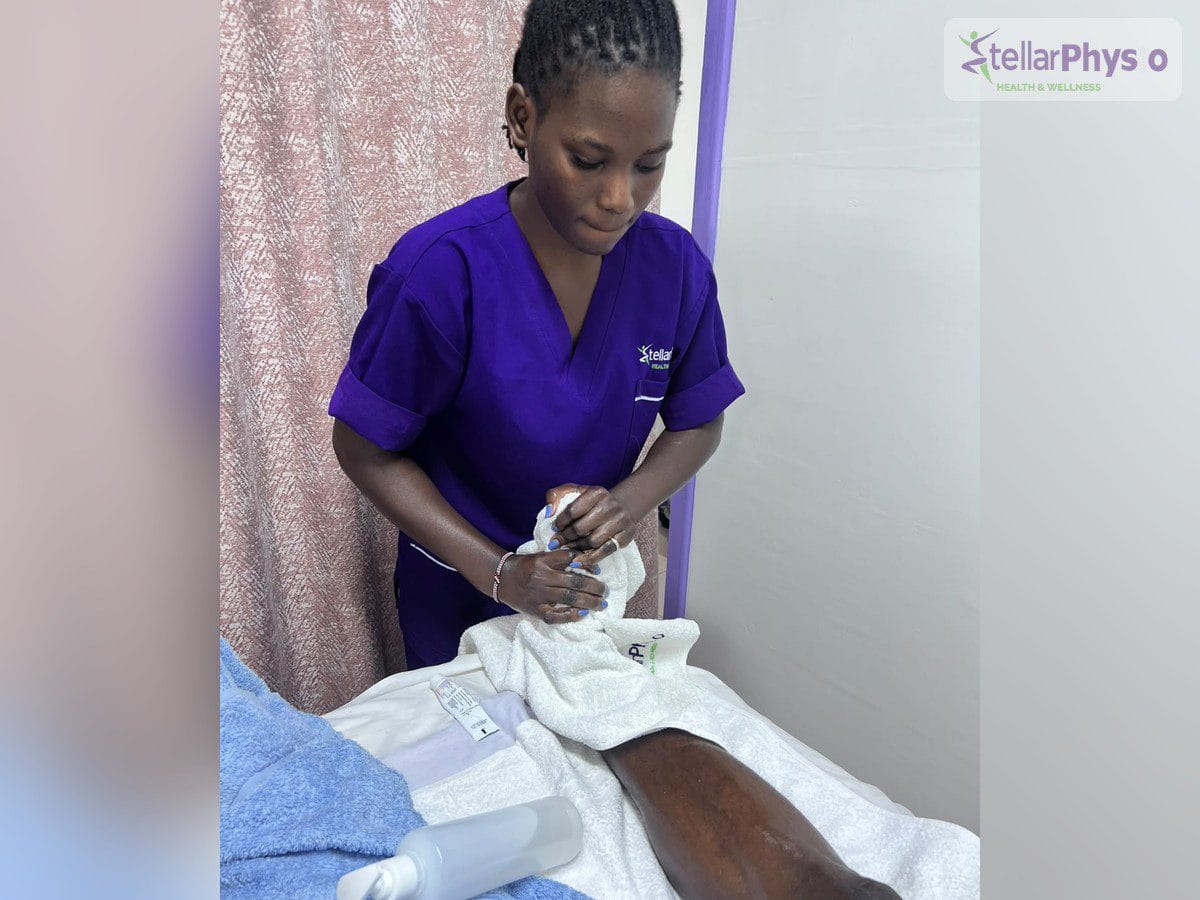
A therapist might use a mix of techniques, including: - **Effleurage:** long, gliding strokes that warm up the tissue and encourage blood flow - **Kneading and compression:** working deeper into large muscle groups such as the quads, hamstrings and calves - **Trigger point work:** steady pressure on tight knots that can refer discomfort to other areas - **Stretching:** gently lengthening muscles during the session to help restore range of motion - **Warm towel application:** heat that helps muscles relax, making it easier for the therapist to work on tight areas comfortably
Why your muscles feel sore after training That stiff, achy feeling a day or two after hard exercise is often called delayed onset muscle soreness (DOMS). It usually shows up when you try a new type of training, increase intensity, or come back after a break. Tiny stresses in the muscle fibres, together with the body’s natural repair process, leave the area tender and tight.
DOMS usually eases on its own within a few days. But if you’re training again before your body has fully recovered, tightness can build up week after week. Over time, that can affect how you move, how well you perform, and your risk of picking up a strain.
How sports massage can help Every body responds differently, but many active people find that regular sports massage helps them: - Feel less tight and sore after heavy sessions or matches - Move more freely, especially through the hips, hamstrings, calves and lower back - Recover between sessions so they feel ready to train again - Spot problem areas early. A therapist can often feel a tight or overworked muscle before it becomes painful. - Relax and switch off, which matters more than people think when it comes to sleep and recovery
Sports massage works best as part of a wider routine that includes good sleep, hydration, sensible training loads and proper warm-ups. It supports your recovery. It doesn’t replace it.
Who can benefit from sports massage? You don’t need to be a professional athlete. At our Parklands clinic, we regularly help: - Footballers and rugby players managing tight hamstrings, groins and calves after matches - Runners preparing for or recovering from long runs and races - Tennis, squash and padel players dealing with shoulder, forearm and calf tightness - Golfers looking to keep their back and hips mobile for a smoother swing - Gym-goers who push hard on leg day and feel it for the rest of the week - Office workers who exercise after work and carry tension in the neck, shoulders and lower back from sitting all day
If you have an existing injury, sharp pain, swelling or pain that keeps getting worse, a physiotherapy assessment is the right first step. Our team can then decide whether massage should be part of your treatment plan.