
Sports Injuries: When to Seek Physiotherapy and How to Get Back in the Game
Whether you enjoy weekend football, running, cycling, gym workouts or competitive sports, staying active is good for your health. But sometimes, an unexpected injury can keep you away from the activities you love.
A twisted ankle, painful knee, pulled muscle or persistent shoulder pain may seem minor at first. However, continuing to train or play without understanding the cause of the pain can make recovery more difficult.
The good news is that many sports injuries can be managed with appropriate assessment, treatment and rehabilitation.
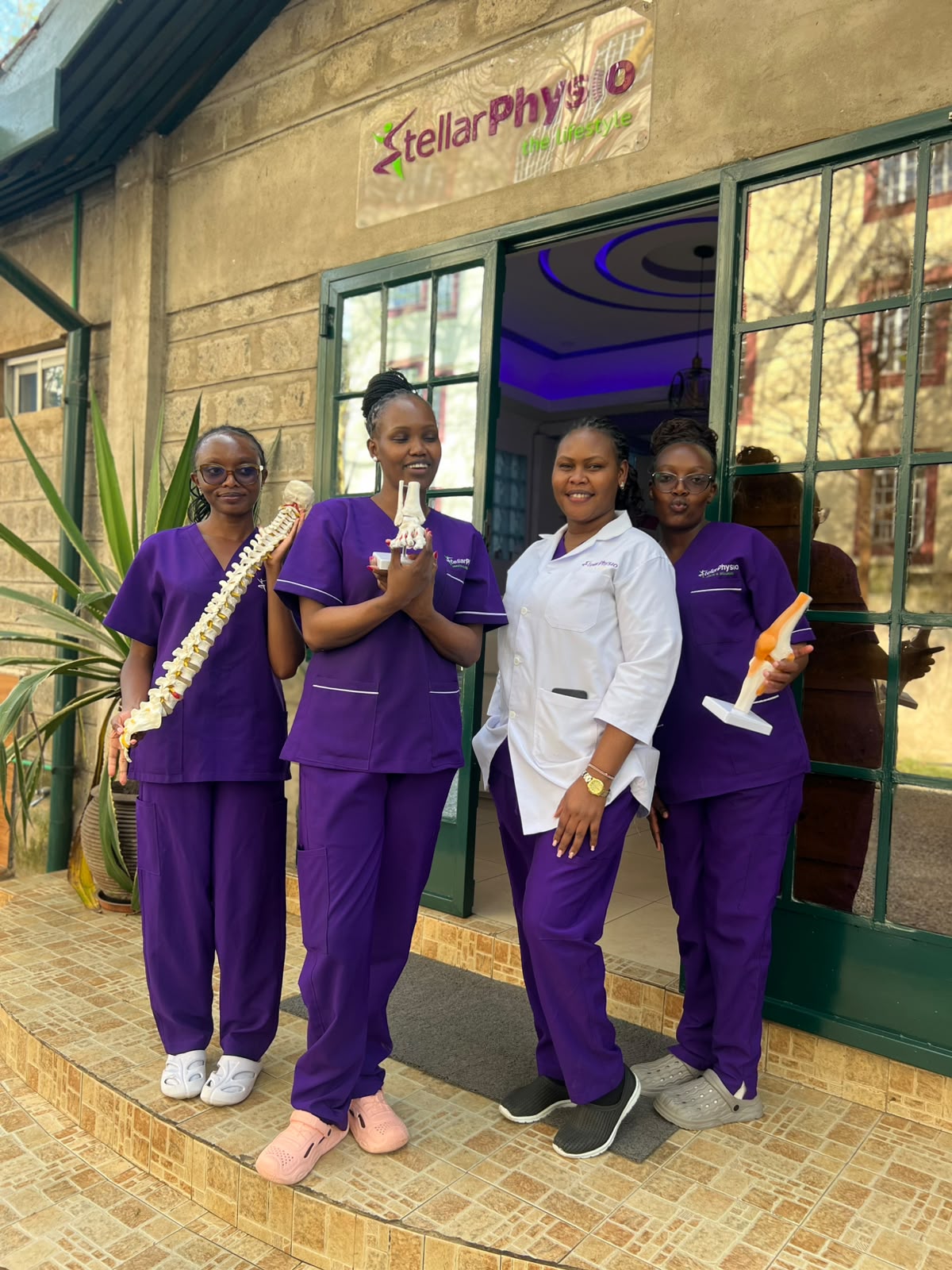
At Stellar Physio, we provide sports physiotherapy in Nairobi to help individuals understand their injuries, improve movement and work towards returning to their favourite activities.
What Are Sports Injuries?
Sports injuries are injuries that occur during physical activity, exercise, training or sporting events. They can affect muscles, joints, ligaments, tendons and bones.
Some happen suddenly following a fall, collision or awkward movement. Others develop gradually because of repetitive movements, increased training intensity or inadequate recovery.
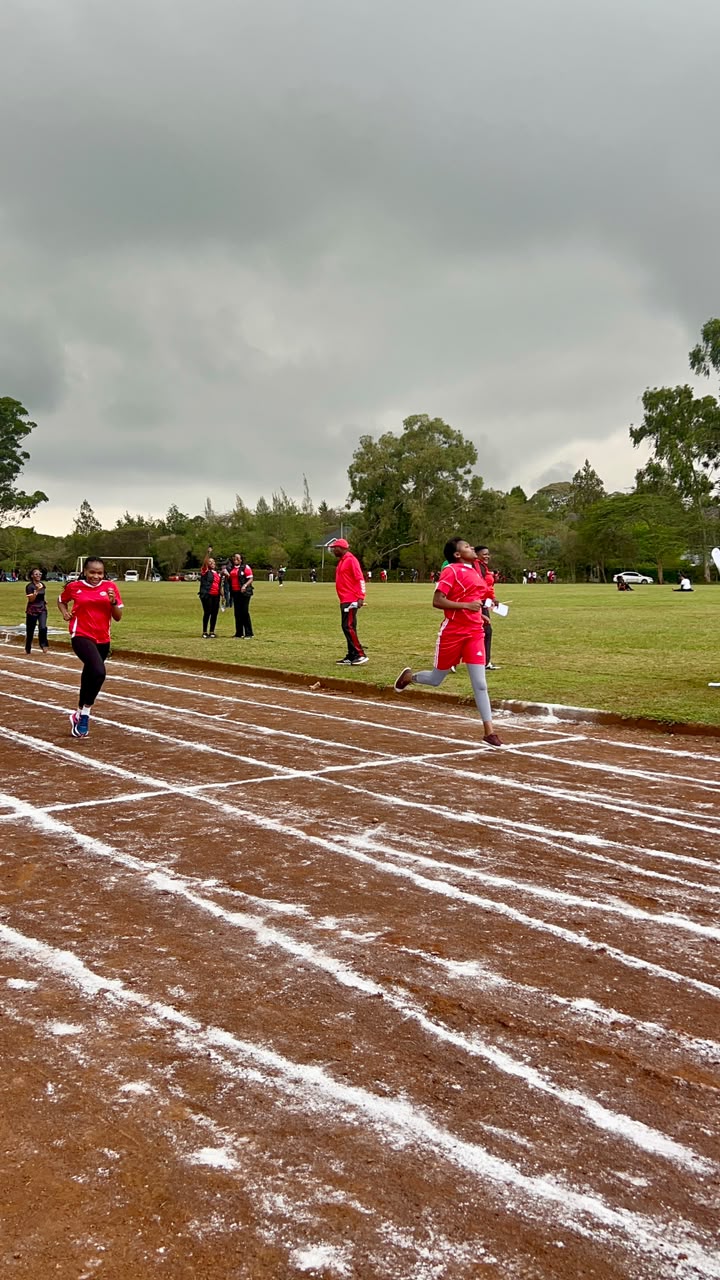
Sports injuries can affect anyone, from professional athletes to people who enjoy an occasional football match or morning run.
5 Common Sports Injuries You Should Know About
Understanding common sports injuries can help you recognise when something isn’t right.
1. Muscle Strains
Have you ever felt a sudden pulling sensation in your thigh or calf while running?
A muscle strain occurs when muscle fibres are overstretched or torn. It can happen during sprinting, jumping, lifting weights or sudden changes in direction.
Common symptoms include: - Sudden muscle pain. - Tenderness around the affected area. - Swelling or bruising. - Difficulty using the affected muscle.
2. Ankle Sprains
An ankle sprain commonly happens when the foot twists or rolls unexpectedly, stretching or tearing the ligaments that support the ankle.
It is particularly common in football, basketball, volleyball and running.
You may experience: - Pain around the ankle. - Swelling and bruising. - Difficulty walking. - A feeling that the ankle is unstable.
An ankle that keeps giving way after an injury should be assessed.
3. Knee Injuries
The knee experiences significant stress during running, jumping, landing and sudden changes in direction.
Common sports-related knee problems include ligament injuries, meniscal tears and tendon injuries.
Watch out for: - Knee pain when running or jumping. - Swelling after physical activity. - Difficulty bending or straightening the knee. - A knee that locks, clicks painfully or gives way.
Persistent knee pain should not be ignored, particularly when it affects your ability to participate in sports.
4. Achilles Tendon Injuries
The Achilles tendon connects your calf muscles to your heel bone. It plays an important role when walking, running and jumping.
Repeated stress or a sudden increase in activity can lead to Achilles tendon problems.
Common symptoms include: - Pain at the back of the heel. - Morning stiffness around the tendon. - Pain during running or jumping. - Tenderness and swelling around the tendon.
A sudden popping sensation, severe pain or difficulty pushing off the foot may indicate an Achilles tendon rupture and requires urgent medical assessment.
5. Shoulder Injuries
Sports involving repetitive arm movements, throwing, swimming or lifting weights can place stress on the shoulder.
Some common problems include rotator cuff injuries and shoulder tendon irritation.
Symptoms may include: - Pain when lifting your arm. - Shoulder weakness. - Difficulty reaching overhead. - Pain when throwing or lifting weights.
Early assessment can help identify the problem and guide appropriate rehabilitation.
When Should You See a Physiotherapist for a Sports Injury?
Not every sports injury requires the same treatment. However, you should consider a physiotherapy assessment if: - Pain keeps returning whenever you exercise. - You experience stiffness or reduced movement. - Swelling continues after an injury. - You struggle to run, jump, walk or participate in sports. - You feel weakness or instability around a joint. - Your injury is affecting your daily activities.
Seek urgent medical attention if you suspect a fracture, have an obvious deformity, cannot bear weight after an injury, experience severe pain or develop significant numbness.
You do not have to wait until an injury becomes severe before seeking professional advice.
How Can Sports Physiotherapy Help You Recover?
Sports physiotherapy focuses on assessing and managing movement-related problems associated with sports and physical activity.
At Stellar Physio, the recovery process begins with understanding your injury, symptoms and activity goals.
Depending on your condition, your physiotherapist may recommend:
**1. Movement and injury assessment** Your physiotherapist evaluates your movement, joint mobility, muscle strength and functional abilities to understand what may be contributing to your symptoms.
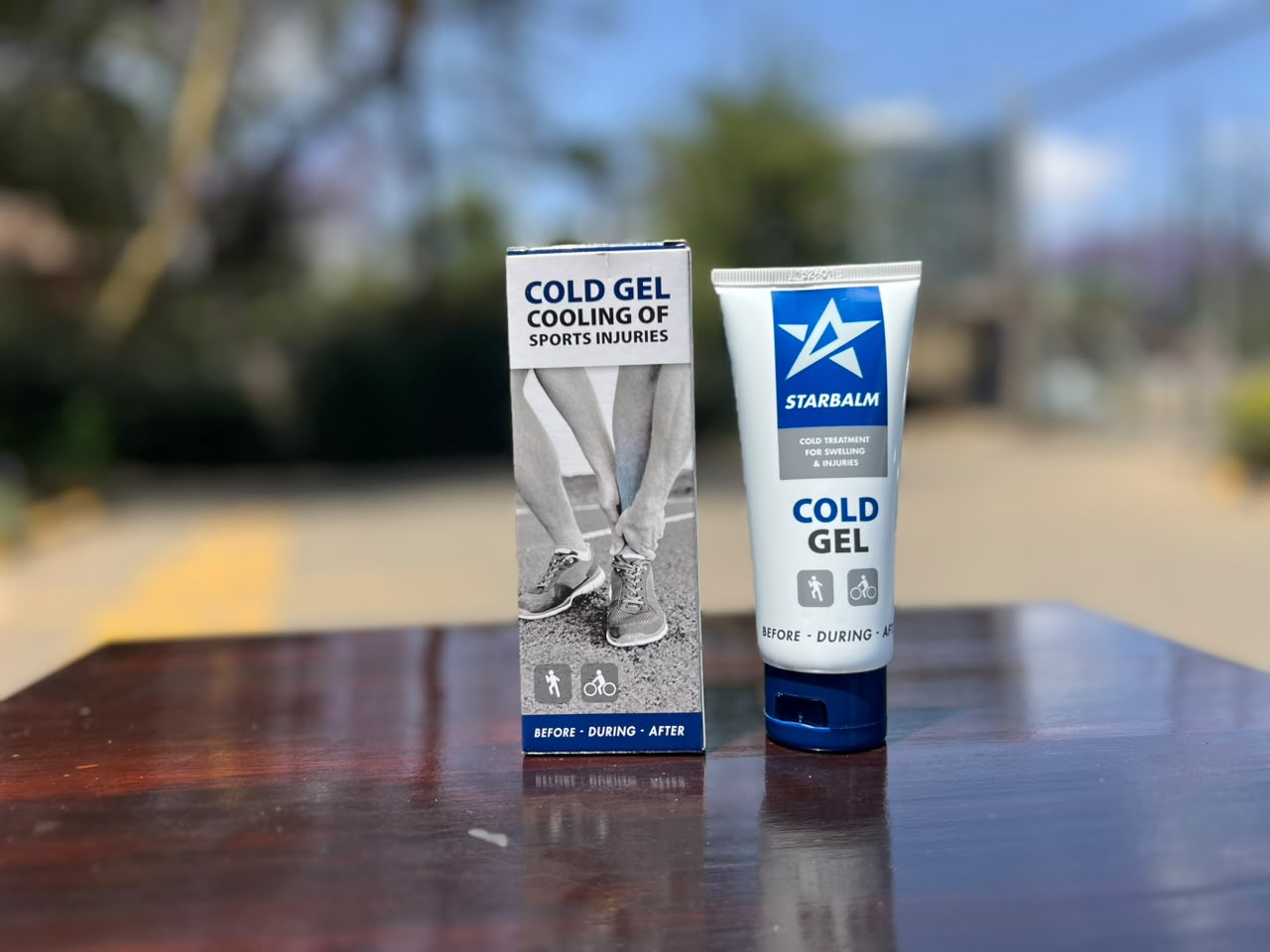
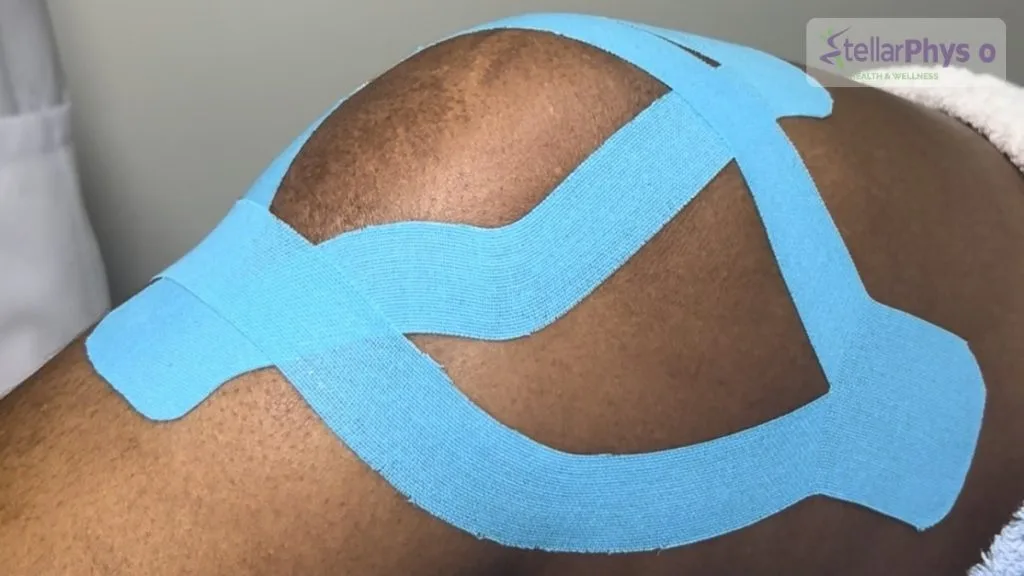
**2. Pain management** Treatment may include appropriate hands-on techniques and therapeutic modalities to help manage pain and support rehabilitation.
**3. Strengthening exercises** Targeted exercises help improve muscle strength, joint stability and physical function.
**4. Flexibility and mobility exercises** These exercises help address movement restrictions and improve your ability to perform everyday and sporting activities.
**5. Sports-specific rehabilitation** Your rehabilitation programme may gradually incorporate activities such as running, jumping, balance training and changes of direction, depending on your injury and recovery progress.
The aim is not simply to reduce pain but also to help you regain the strength, control and confidence needed for your activities.
How Long Does It Take to Recover from a Sports Injury?
There is no single recovery timeline for every sports injury.
Recovery depends on several factors, including: - The type and severity of the injury. - The tissues affected. - Your general health and fitness. - How consistently you follow your rehabilitation programme. - The physical demands of your sport.
Some minor injuries improve within days or weeks, while more serious injuries may require several months of rehabilitation.
Returning to sport should be based on your recovery, strength, movement and ability to perform sport-specific activities safely, rather than simply waiting for the pain to disappear.
Your physiotherapist can help guide your progress and advise when it may be appropriate to resume training.
Where Can You Get Sports Physiotherapy in Nairobi?
If sports-related pain is affecting your training, exercise or daily activities, getting the right assessment is an important step towards recovery.
At Stellar Physio, we provide physiotherapy services to individuals looking for support with sports injuries, muscle pain, joint problems and movement difficulties.
You can visit us at: - Ngong Road: Opposite Nairobi Baptist Church. - Parklands: Parklands Sports Club, Squash Court 4. - Karen: Karen Country Club. - USIU: USIU Branch.
We work with individuals with different activity levels and rehabilitation needs.
Back in the Game Starts with the Right Care
A sports injury does not necessarily mean the end of your favourite activity. However, ignoring pain or pushing through an injury without understanding its cause can affect your recovery.
Whether you are a footballer, runner, gym enthusiast or someone who simply enjoys staying active, give your body the attention it needs.
At Stellar Physio, we are here to help you understand your injury, work towards recovery and get back to the activities you enjoy.
Ready to get back in the game?
Book a sports physiotherapy assessment at Stellar Physio.
📞 Call or WhatsApp: 0719 881 291 🌐 Website: www.stellarphysio.com
Stellar Physio – Your lifestyle clinic.